
This post contains affiliate links. As an Amazon Associate, I earn from qualifying purchases.
📌 TL;DR
- Dogs don’t pick favorites based on who feeds them most — they choose the person who makes them feel the safest and most understood.
- The early socialization window (roughly 3–14 weeks) has an outsized influence on bonding, but adult dogs can absolutely shift their attachment.
- Quality of attention matters more than quantity of time — how you interact trumps how long you’re present.
- You can genuinely become your dog’s favorite person at any life stage with the right approach — and the science backs that up.
You feed the dog. You walk the dog. You buy the dog approximately too many toys. And then your partner walks through the door and the dog loses its mind with joy — tail going, full-body wiggle, the works. What gives?
You’re not imagining it. Dogs genuinely do have favorite people. And understanding how dogs choose their favorite person reveals something fascinating: it’s not about who holds the treat bag. It’s about something much more specific — and something you can actually influence.
How Dogs Choose Their Favorite Person: It’s Not Just About Who Feeds Them
The most common assumption is wrong. Most people believe their dog’s favorite person is whoever fills the bowl — but behaviorists consistently report that food is just one variable in a much more interesting equation. What dogs are actually tracking is something closer to emotional reliability: who makes their world feel predictable, safe, and rewarding in the ways that matter to that specific dog.
Brain imaging research has shown that verbal praise activates the reward system in a dog’s brain at least as strongly as food does — and for some dogs, even more so. Dogs who showed stronger brain responses to verbal praise from their owner were also more likely to choose that owner over a food reward in follow-up tests. Think about that. The person who talks to them warmly and meaningfully may outrank the person who drops kibble in a bowl twice a day.
So if you’re wondering why your dog chose someone else as their person, the answer probably isn’t that you didn’t give enough. It’s more likely about how someone engages — the quality of attention, the emotional consistency, the specific type of interaction your dog finds most rewarding. Different dogs value different things. Some want play. Some want calm closeness. Some light up for training sessions. The person who delivers that thing most reliably tends to win.
The Socialization Window: Why Early Bonds Run Deep
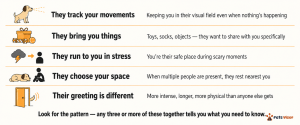
That said, timing matters enormously. Dogs have a critical socialization window — roughly 3 to 14 weeks of age — when their brains are wired to form primary social attachments. The peak hits around 9 weeks. Whatever humans, environments, sounds, and experiences a puppy is exposed to during this window become their social baseline for life.
What that means practically: if a puppy spends those early weeks primarily with one type of person — a single woman, a household with kids, someone with a calm and quiet energy — that becomes their comfort zone. Dogs exposed primarily to men during this window tend to bond more easily with men later. Dogs raised in noisy households tend to handle commotion better as adults. And the person who was present, warm, and consistent during that formative stretch often holds a permanent place in the dog’s emotional world.
This isn’t destiny, though. It’s a strong pull — not a lock. Adult and rescue dogs form deep new bonds all the time. The socialization window shapes preferences, not outcomes. In my experience, some of the most devoted dog-owner bonds I’ve ever seen developed between rescue dogs and the people who adopted them at two or three years old. Patience and consistency can rewrite a dog’s comfort map at any age — it just takes longer.
Want to see how this plays out in real dogs? Here’s a closer look at the bonding process:
Why Personality Match Plays a Bigger Role Than Most People Realize
Dogs are attracted to people who match their energy. Not in a vague, metaphorical way — in a very literal behavioral sense. A calm, low-key dog consistently gravitates toward the quieter person in the household. An excitable, high-drive dog bonds harder with the person who runs, plays fetch, and moves fast.
Take Bear, a 5-year-old golden retriever I know well — his household had two people who both adored him equally. One worked from home quietly; the other came home and immediately launched into play and outdoor time. Bear was polite and sweet with the homebody. But when the active one walked in? He transformed. Not because he was loved more — because that person matched what Bear’s nervous system found most satisfying.
I’ve seen this with so many dogs: the bond isn’t always about care level. It’s about resonance. Which is actually good news, because it means you don’t have to become a different person to bond with your dog — you just have to understand what your dog is wired to respond to, and offer more of that.
Breed matters here too. Some breeds are genetically predisposed to single-person bonding — Basenjis, Akitas, Shiba Inus, Greyhounds, and Chow Chows tend to pick one person and stay loyal almost exclusively. Others — Labradors, Golden Retrievers, Beagles — spread their affection much more freely. If you have a “one person dog” breed and you’re not that person, it’s a harder gap to close. Possible, but harder.
What “Quality Attention” Actually Looks Like — and Why It Beats More Time
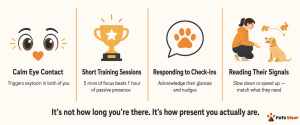
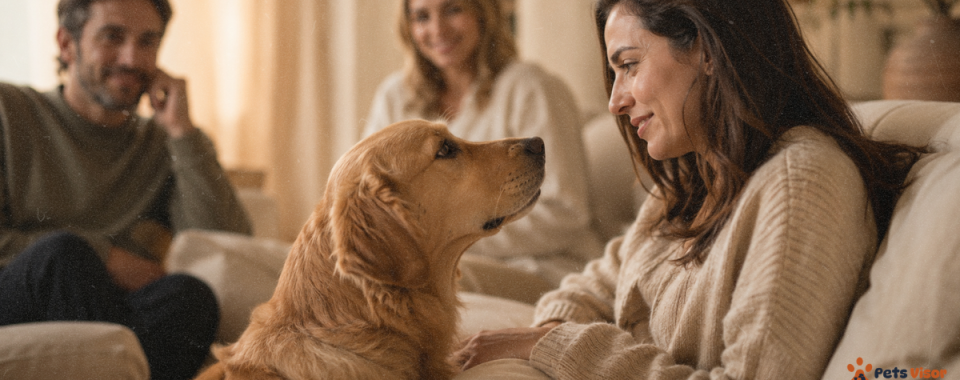
Here’s what most articles miss entirely: the dog who gets walked for an hour by someone staring at their phone is less bonded to that person than the dog who got a focused 15-minute training session with full eye contact and enthusiastic praise. Presence isn’t the same as engagement. Dogs know the difference.
Quality attention, in dog terms, means:
- Direct, calm eye contact during relaxed moments (this triggers an oxytocin release in both of you)
- Short, positive training sessions — even 5 minutes daily builds more attachment than passive co-existing
- Responding when your dog checks in with you — that glance they give you mid-play, that nudge when you’re at your desk
- Being the person who reads their signals and adjusts — slowing down when they’re overwhelmed, matching their energy when they want to play
This is why the Outward Hound Hide-A-Squirrel Puzzle Toy or a Snuffle Mat for Dogs can actually deepen your bond when you work through them together — not because the toy is magic, but because doing a focused activity with your dog and rewarding their effort is exactly the kind of engaged interaction that registers as meaningful in the dog’s brain.
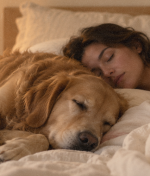
And if you want to understand how your dog communicates back — what their body is actually saying when they’re choosing to be near you or pull away — your dog’s sleeping position is one of the clearest windows into their emotional state and who they feel safe with.
Can a Dog’s Favorite Person Change — and How Does That Happen?
Yes. Completely. Dogs aren’t locked in for life, and this surprises a lot of people who assume the early bond is permanent.
A dog’s favorite can shift when the person who used to be number one changes their routine — travels more, works longer hours, becomes less engaged. It can shift when someone new enters the household and puts in real, consistent effort. It can even shift gradually as a dog ages and their needs change: a dog who craved high-energy play at two years old may, at nine, be most bonded to whoever sits quietly with them on the couch.
After years of watching dogs do this, the pattern is pretty consistent: the favorite title follows whoever is currently meeting the dog’s deepest needs most consistently. It’s not fickle — it’s actually quite logical. Your dog isn’t being disloyal. They’re being honest.
The flip side of this is encouraging: if you’re not your dog’s favorite right now, you can change that. Not by competing with whoever is — but by showing up differently. More focused time. More of whatever your specific dog responds to. More of the behaviors that tell a dog “I see you, I understand you, and I’m here.”
5 Clear Signs You’re Already Your Dog’s Favorite Person
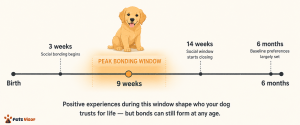
Not sure where you stand? Here’s what the research and behaviorists point to as reliable indicators — beyond the obvious tail wagging.
- They track your movements. A dog who keeps you in their visual field even when they don’t need anything from you is monitoring their person. It’s a quiet form of devotion.
- They bring you things. Objects, toys, the occasional sock — gift-giving behaviors signal that your dog sees you as their primary social partner.
- They come to you first during stress. Thunderstorm, unfamiliar visitor, strange noise — whoever a dog runs to in those moments is the person they trust most.
- They choose your space over everyone else’s. When multiple people are in the room, the favorite is wherever the dog rests, leans, or lies down.
- They greet you differently. Not just happily — but with more intensity, more duration, or more physical contact than they show anyone else coming through the same door.
None of these signs alone are conclusive. Together, they tell a pretty clear story.
Frequently Asked Questions
Why does my dog prefer one person over another even when both spend equal time with them?
Time spent is only part of the equation. Dogs respond more strongly to the quality and type of interaction than raw hours together. The person who engages directly — through training, focused play, calm eye contact, or whatever that specific dog values most — will typically outrank the person who is merely present. Personality match also plays a role: dogs naturally gravitate toward whoever’s energy level and communication style fits their own.
Can a dog’s favorite person change over time?
Yes — and it happens more often than people expect. A dog’s primary attachment tends to follow whoever is currently meeting their needs most consistently and enjoyably. Changes in routine, schedule, or life stage can all shift the dynamic. A dog who bonded to an active partner may gradually transfer their deepest loyalty to a quieter family member as they age and their needs evolve.
What are the signs you are your dog’s favorite person?
The clearest signs are: your dog seeks you out during stressful moments, chooses to rest in your space when multiple options exist, tracks your movements even when they don’t need anything, and greets you with noticeably more enthusiasm than others. A dog that brings you objects or makes repeated, soft eye contact during calm moments is also showing a strong preferred attachment.
Do dogs have only one favorite person or can they have several?
It depends significantly on the breed. Single-person breeds like Akitas, Shiba Inus, and Basenjis tend to concentrate their deepest bond on one individual. More social breeds — Labradors, Golden Retrievers, Beagles — often have a clear “top person” but distribute genuine affection across multiple people. Most dogs have one primary attachment figure and a few secondary ones they still love deeply.
How can I become my dog’s favorite person if I’m not already?
Start with focused, direct engagement — short daily training sessions, interactive play, and calm eye contact during relaxed moments. Respond when your dog checks in with you. Figure out what type of interaction your specific dog values most and deliver more of it. Consistency over time matters more than grand gestures. According to the American Kennel Club, regular positive reinforcement training is one of the most reliable ways to deepen your bond at any age.
Understanding how dogs choose their favorite person changes how you see your relationship with your dog — and what’s actually worth investing in. It’s not the most expensive toy or the most treats. It’s the quality of your engagement, your emotional consistency, and how well you understand what makes your specific dog feel secure and seen.
Whether you’re already number one or working your way there, the path is the same: show up with real attention, match their energy where you can, and stay consistent. Dogs are remarkably honest about who they trust most — and once you earn that spot, you’ll start noticing all the quiet ways they show it every single day.
Who does your dog treat as their favorite — and did it surprise you when you figured it out? Drop it in the comments.